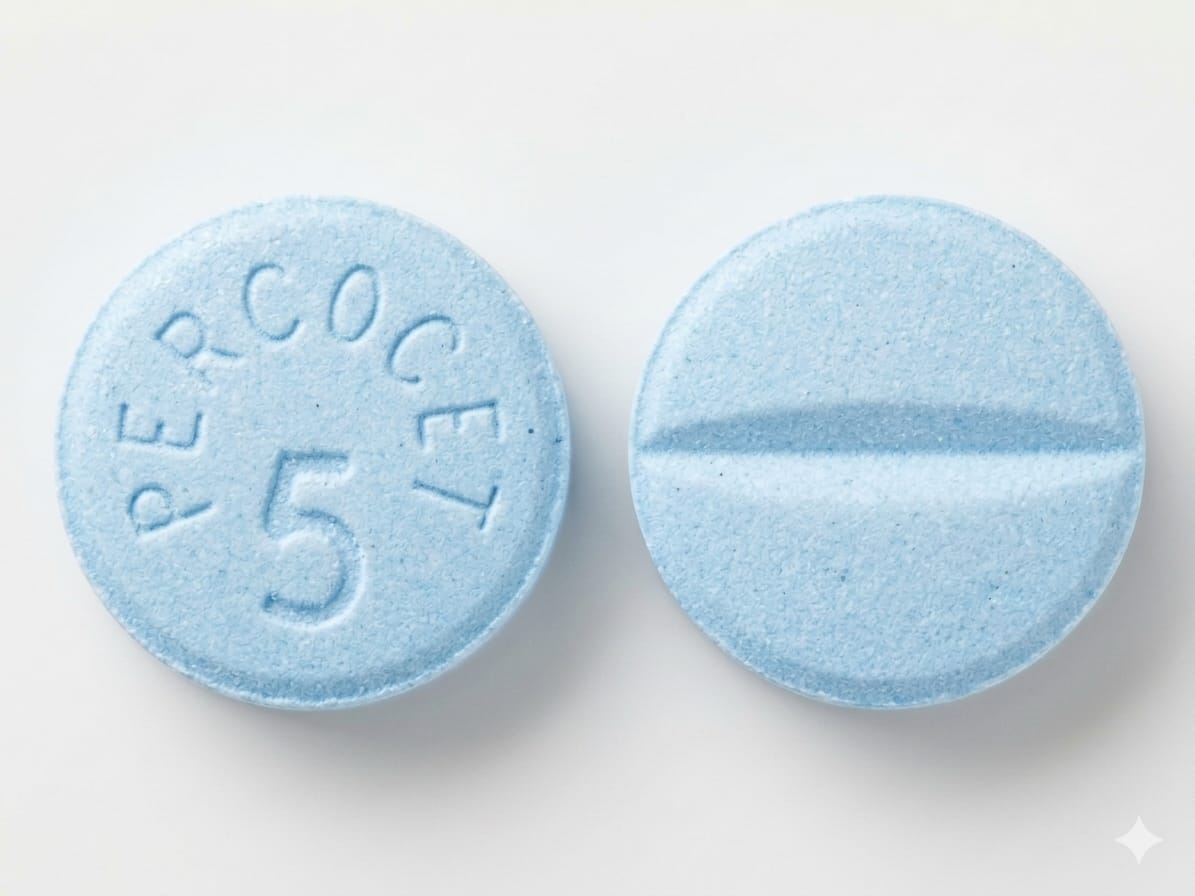

Percocet is a prescription pain medicine containing oxycodone and acetaminophen. Oxycodone is an opioid analgesic, while acetaminophen is a non-opioid pain reliever. In the United States, Percocet is indicated for the management of pain severe enough to require an opioid analgesic when alternative treatment options are inadequate. Because oxycodone is an opioid, Percocet carries important risks, including misuse, abuse, addiction, overdose, and potentially life-threatening respiratory depression.
Percocet may be prescribed for certain types of pain when a healthcare professional determines that an opioid analgesic is appropriate and other treatment options are insufficient. The specific dose and duration of treatment depend on the individual patient, the severity of pain, medical history, and response to treatment.
Patients should use Percocet only as prescribed. Taking more than the prescribed amount or using it more frequently can increase the risk of serious adverse effects.
Percocet contains two active ingredients: oxycodone and acetaminophen. Oxycodone works as an opioid analgesic to reduce the perception of pain, while acetaminophen also contributes to pain relief.
Because Percocet contains acetaminophen, patients should be aware of other prescription or over-the-counter medicines that may also contain acetaminophen. Taking excessive amounts of acetaminophen can cause severe liver damage.
The appropriate Percocet dosage is determined by the prescribing healthcare professional based on factors such as pain severity, previous opioid exposure, medical condition, and response to treatment.
Do not increase the dose, take additional doses, or use Percocet more often than prescribed. The exact strength and dosing instructions should be checked on the prescription label and followed carefully.
Patients should not use dosage information from another person or from an unrelated Percocet formulation because strengths and formulations can differ.
Possible side effects of Percocet may include nausea, vomiting, constipation, dizziness, drowsiness, and impaired alertness. More serious opioid-related effects can include respiratory depression, severe sedation, overdose, and addiction.
Seek urgent medical attention for signs of a serious reaction or opioid overdose, including extremely slow or difficult breathing, severe sleepiness, inability to wake, or loss of consciousness.
Percocet contains oxycodone, a Schedule II controlled substance in the United States. It has risks of addiction, abuse, and misuse even when used according to a prescription. Healthcare professionals consider these risks when deciding whether an opioid is appropriate for a patient.
Combining Percocet with alcohol, benzodiazepines, or other central nervous system depressants can increase the risk of profound sedation, respiratory depression, coma, and death. Patients should discuss all prescription medicines, over-the-counter products, and supplements with their healthcare professional before using Percocet.
Percocet can also impair the mental and physical abilities needed for driving or operating machinery. Patients should avoid these activities until they understand how the medicine affects them.
Because Percocet contains acetaminophen, taking additional medicines containing acetaminophen can unintentionally increase total daily exposure. Excessive acetaminophen can cause severe liver injury.
Check the labels of other prescription and over-the-counter medicines for acetaminophen before using them together, and ask a healthcare professional if you are unsure whether another medicine contains acetaminophen.
Percocet is contraindicated in certain situations, including significant respiratory depression, acute or severe bronchial asthma in an unmonitored setting or without resuscitative equipment, known or suspected gastrointestinal obstruction including paralytic ileus, and known or suspected hypersensitivity to oxycodone, acetaminophen, or another component of the product.
A healthcare professional should review a patient's medical history and current medications before prescribing Percocet.
Yes. Percocet is a prescription opioid medication in the United States and should be used only under the direction of a licensed healthcare professional.
Percocet contains oxycodone and acetaminophen. The exact strength should be confirmed on the product label or prescription.
Yes. Percocet may cause drowsiness, dizziness, and impaired alertness. Patients should use caution with driving and other activities requiring full attention.
Yes. Because it contains oxycodone, Percocet carries risks of addiction, abuse, and misuse. These risks can occur even when an opioid is prescribed appropriately.
Alcohol can increase the sedative and respiratory-depressant effects of opioids. Patients should avoid combining Percocet with alcohol unless specifically instructed otherwise by their healthcare professional.
Follow the specific instructions provided with your prescription. Do not take extra medicine to compensate for a missed dose without consulting your healthcare professional.
No medicine is appropriate for everyone. Your healthcare professional should consider your medical history, other medications, and individual risk factors before prescribing Percocet.
Percocet should be taken exactly as prescribed and should never be shared with another person. Store prescription opioids securely and dispose of unused medicine according to appropriate medication-disposal guidance. FDA recommends discussing opioid safety and overdose-prevention measures with a healthcare professional when appropriate.
This information is for educational and SEO purposes and does not replace the official prescribing information or advice from a licensed U.S. healthcare professional.